SHEET A-004 — THE WHY
THIRTY YEARS OF NOTEBOOKS.
For thirty years, every project started on paper. Software. Hardware. Art. Signs, shirts, stickers. Parts machined and 3D printed. A record, a room, a whole company. The domain kept changing. The first move never did. It was always paper and pen.
Plansheet is the tool I kept wishing for. One table where the thinking done by hand and the work a team does are finally the same.
DIFFERENT SHOPS, SAME FIRST MOVE
Running software companies meant shipping software. Running art and sign companies meant making collections of bespoke products: a sign, a tee shirt, stickers, a 3D print, a one-off fabricated part. Those trades don't agree on much. Designing for them agrees on one thing: You draw it first.
A carpenter has a cut list. A machinist has a print. A band has a setlist taped to the monitor. The drawing isn't paperwork getting in the way of the craft. It's the first act of bringing life to the craft.
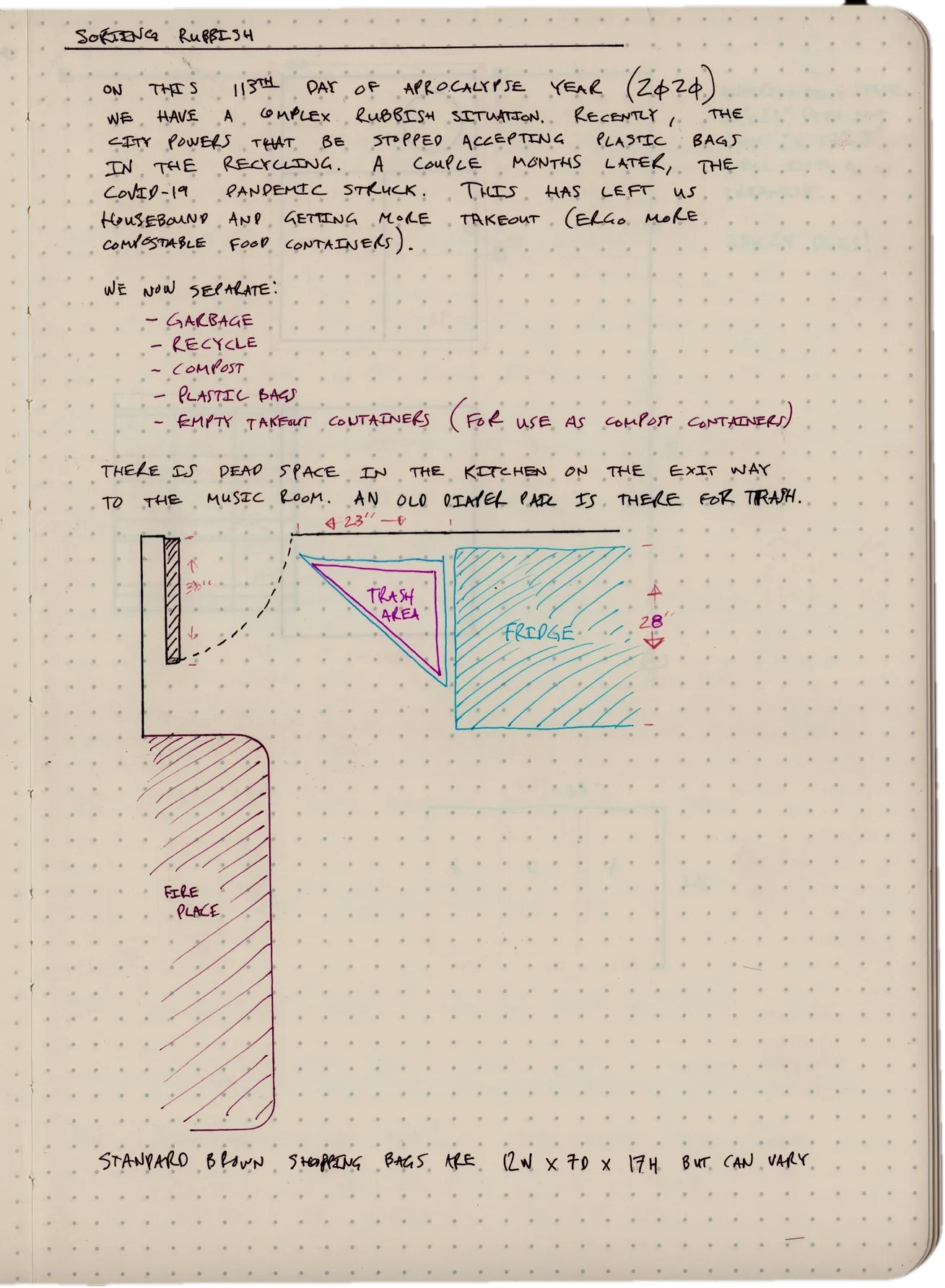
THE PLAN IS NOT THE OPPOSITE OF THE WORK. IT IS WHERE THE WORK BEGINS.
THE PERMEABLE BARRIER
Design noteA sketch that becomes a vision doesn't stop being a sketch. This relationship between design and product is the whole point... not a conversion you run once and throw away.
Here's what bothered me for years: The page is where I think best. The screen is where the team actually works. Those were two different places, and the good thinking, the rough sketch that held the whole idea, stayed trapped in a notebook on my desk.
The fix was a virtual drafting table where the line between graphite and pixels is permeable. A sketch becomes a vision. A vision becomes a plan. Nothing gets thrown away when it crosses from hand-drawn to computer-drawn. Same table, same sheet, same kind of thing.
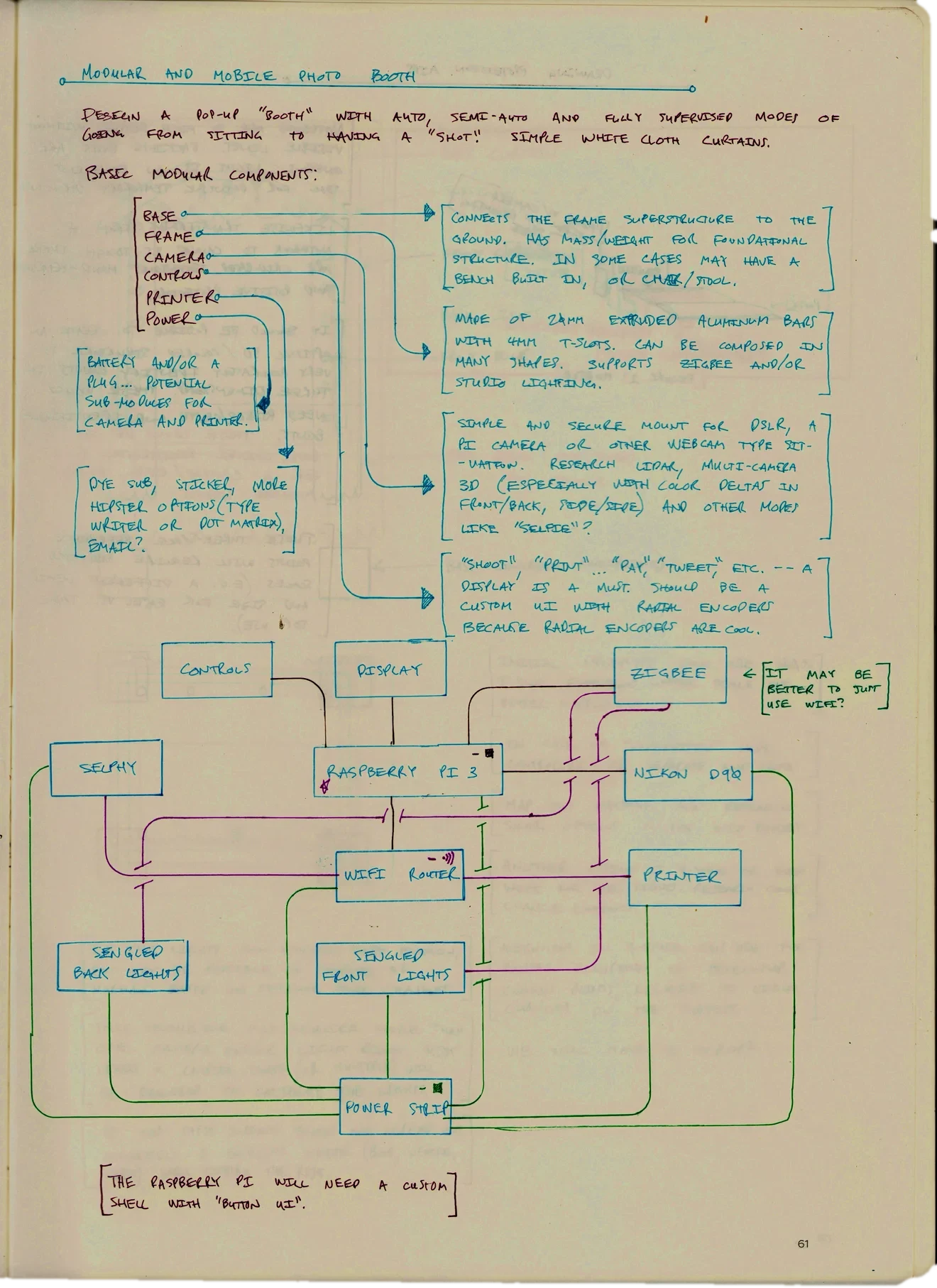
DESIGN GOT TOO IMPORTANT TO STAY TRIBAL
Design noteA folder of drawings is the difference between a shop that can train the next person and one that loses a little of the craft every time someone moves on.
Ask a machine shop to see their drawings and someone hands you a folder. Ask most software teams or graphic design studios to show you their design: the real shape of what they are making and why, and they can't. It is in one person's head. In a laptop that's closed. In a chat thread that scrolled away last Tuesday.
Outside the trades that make physical goods, design is mostly tribal. Learned by osmosis, lost when people leave. A team should be able to walk up to one place and learn what they are building. For anything complicated. It's not a luxury. It makes the job.
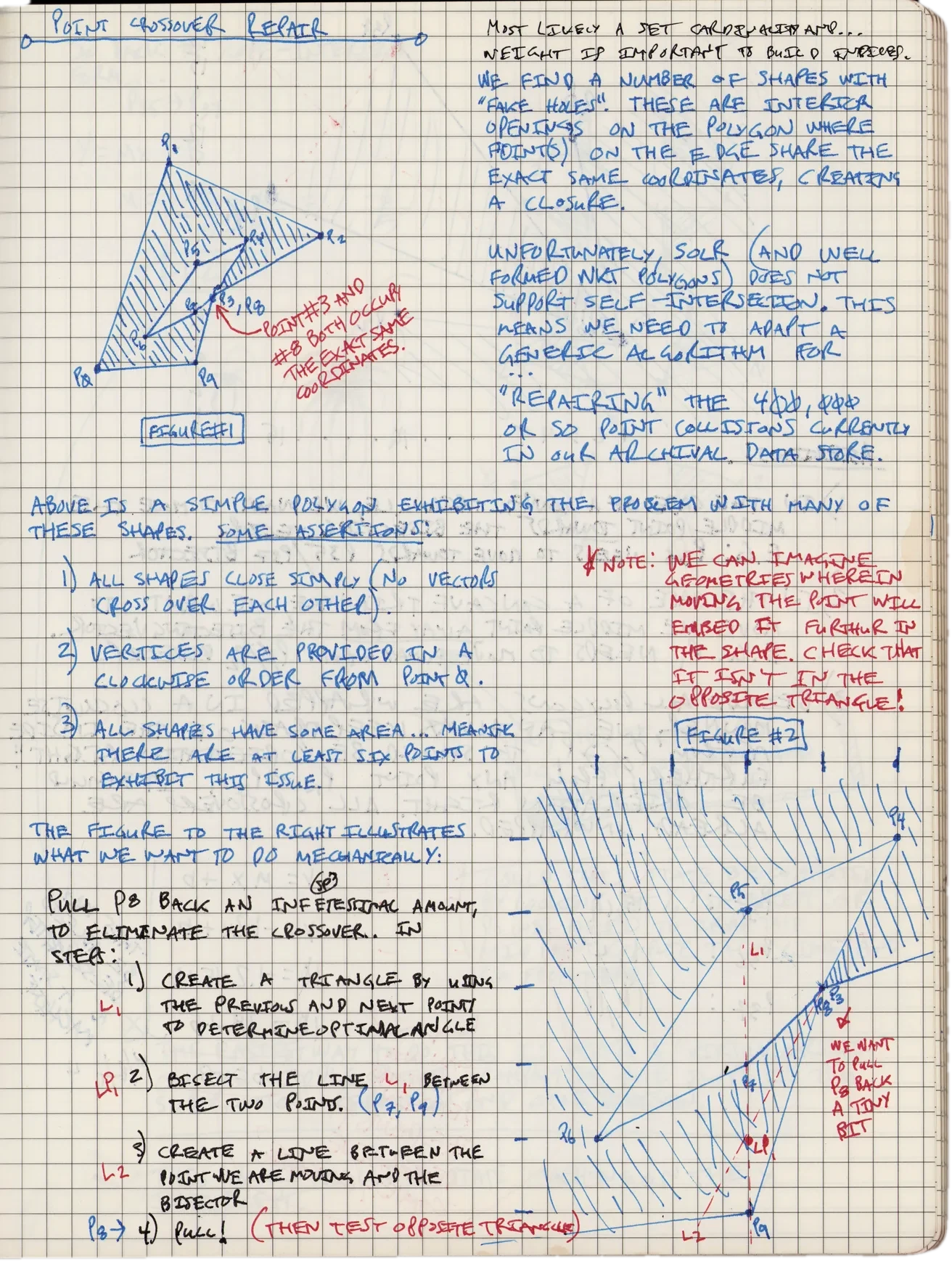
THE VISION AND THE PRODUCT ARE NEVER THE SAME DRAWING
Field noteThe shelf that comes out forty millimeters deep is not a mistake to bury. It's the number the next shelf gets built from. Same for a feature, a sign, a song.
Every project has two drawings. The one you meant, and the one you got. They are never identical. The shelf comes out forty millimeters deeper after the dry fit. The feature ships a little different from the ticket. The album loses a key change in the mix.
Most design tools treat this gap as a defect. The product manager spends their energy writing down what they want, and then the tickets curdle into an argument about how close the build came. The work turns into micromanagement: push the maker, line by line, toward a drawing that was always going to move.
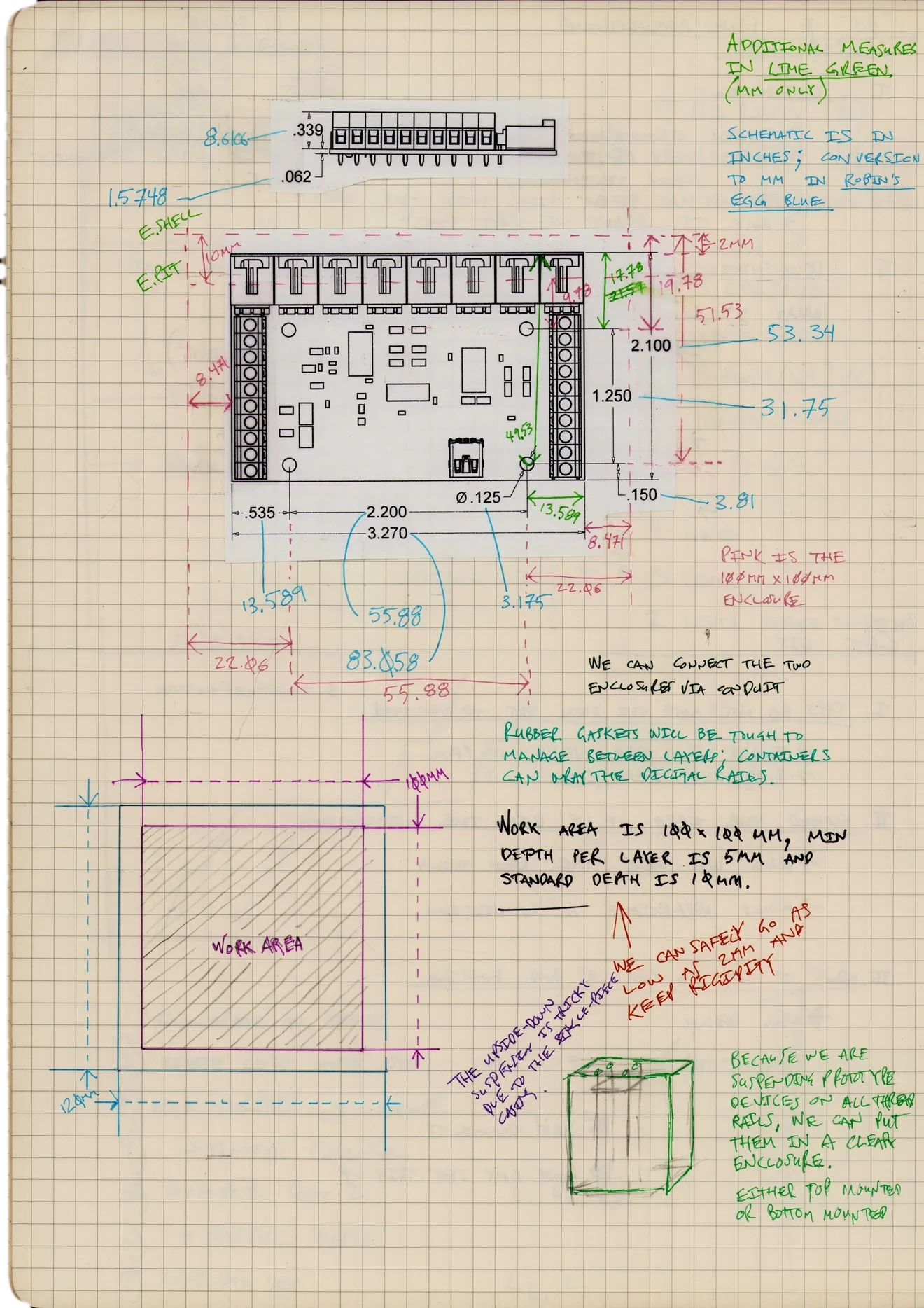
THE VISION IS WHAT WE AIM AT. THE PRODUCT IS WHAT WE MADE. RECOGNIZING THE DIFFERENCE BETWEEN THE VISION AND THE PRODUCT IS A POWERFUL CREATIVE TOOL.
Plansheet keeps both. The vision up top, the as-built below, and the revision noted in the corner where it belongs. State of the art in design and project management (i.e. Jira) are flat by comparison. A list answers one question well: is it done. And has no room for the tension between the vision and the product because lists are a 2D lens on part of a multidimensional concept. Intent and outcome are different things. An honest record holds both, and this should work for a sign exactly the same way it does for software.
EVERY MEETING HITS THE SAME WALL
You know the moment. The team call is going well, the idea is taking shape, and someone says it. I wish we had a whiteboard. The boxes and arrows that want to happen have nowhere to go, so they evaporate, and the next call starts from the same stale spreadsheet.
Plansheet is the table you reach for right then. Draw the rough shape of the thing while you are still talking about it. And unlike the whiteboard, it keeps what you drew. The sketch from the call is the first line of the sheet. It becomes part of the blueprint.
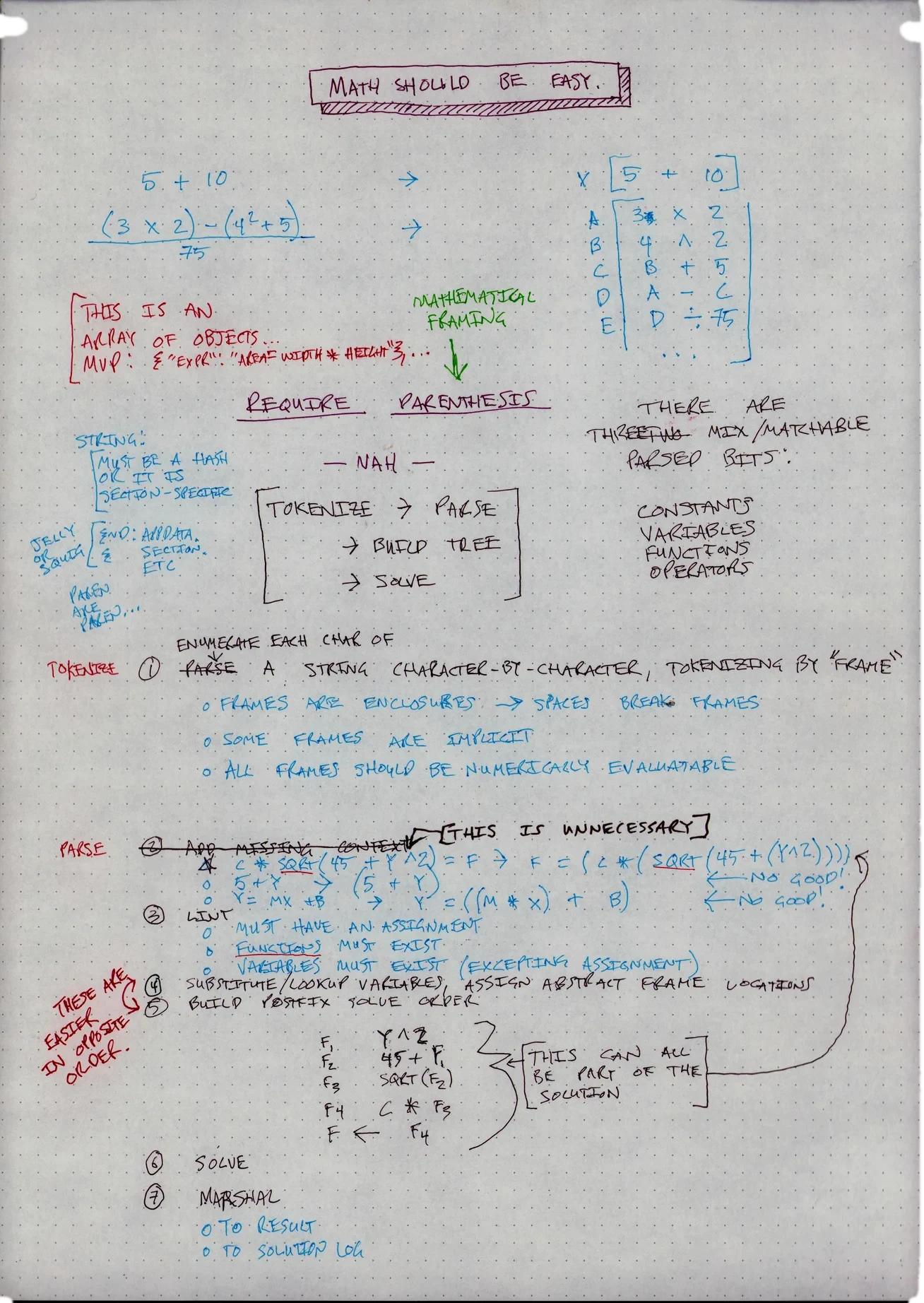
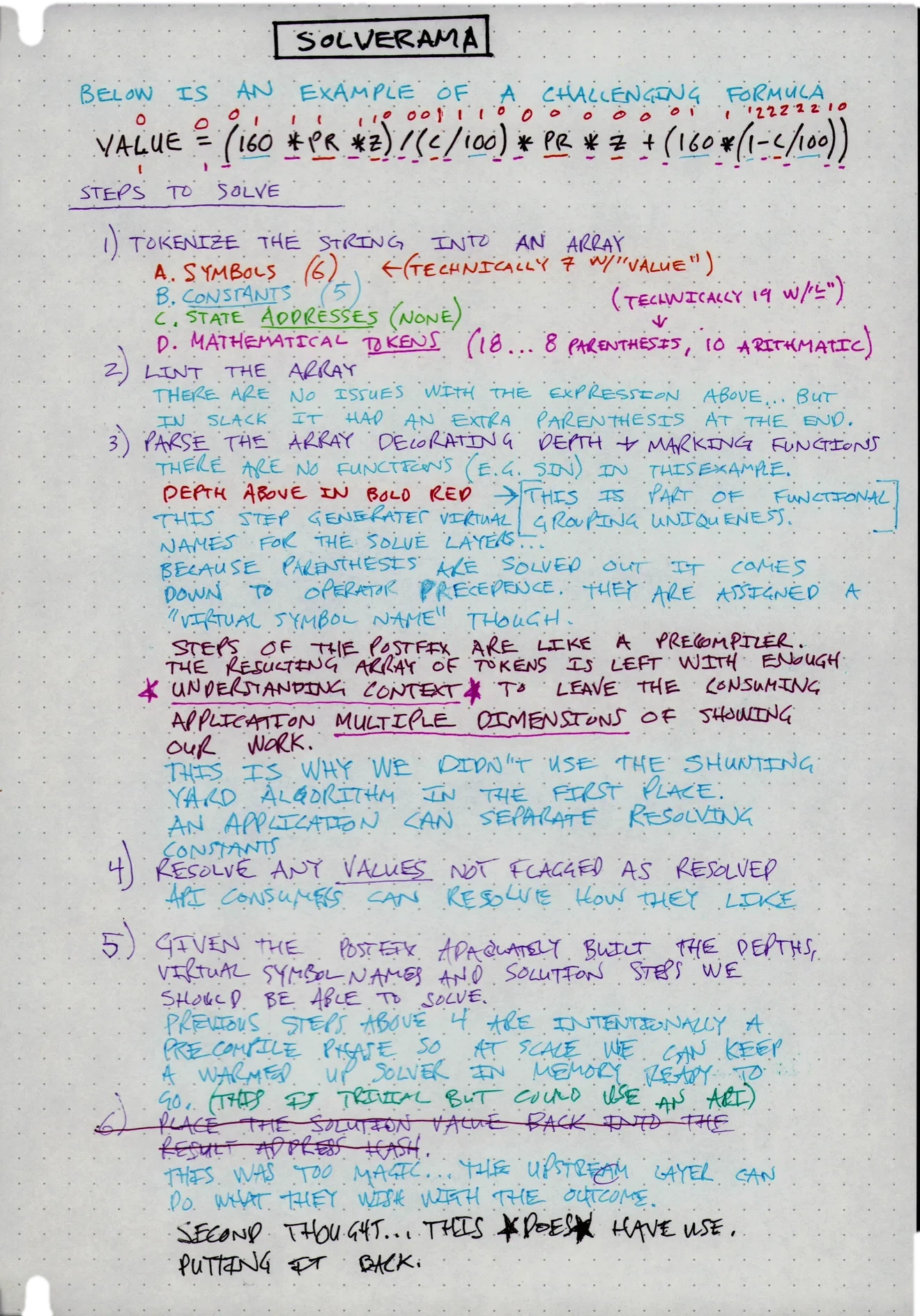
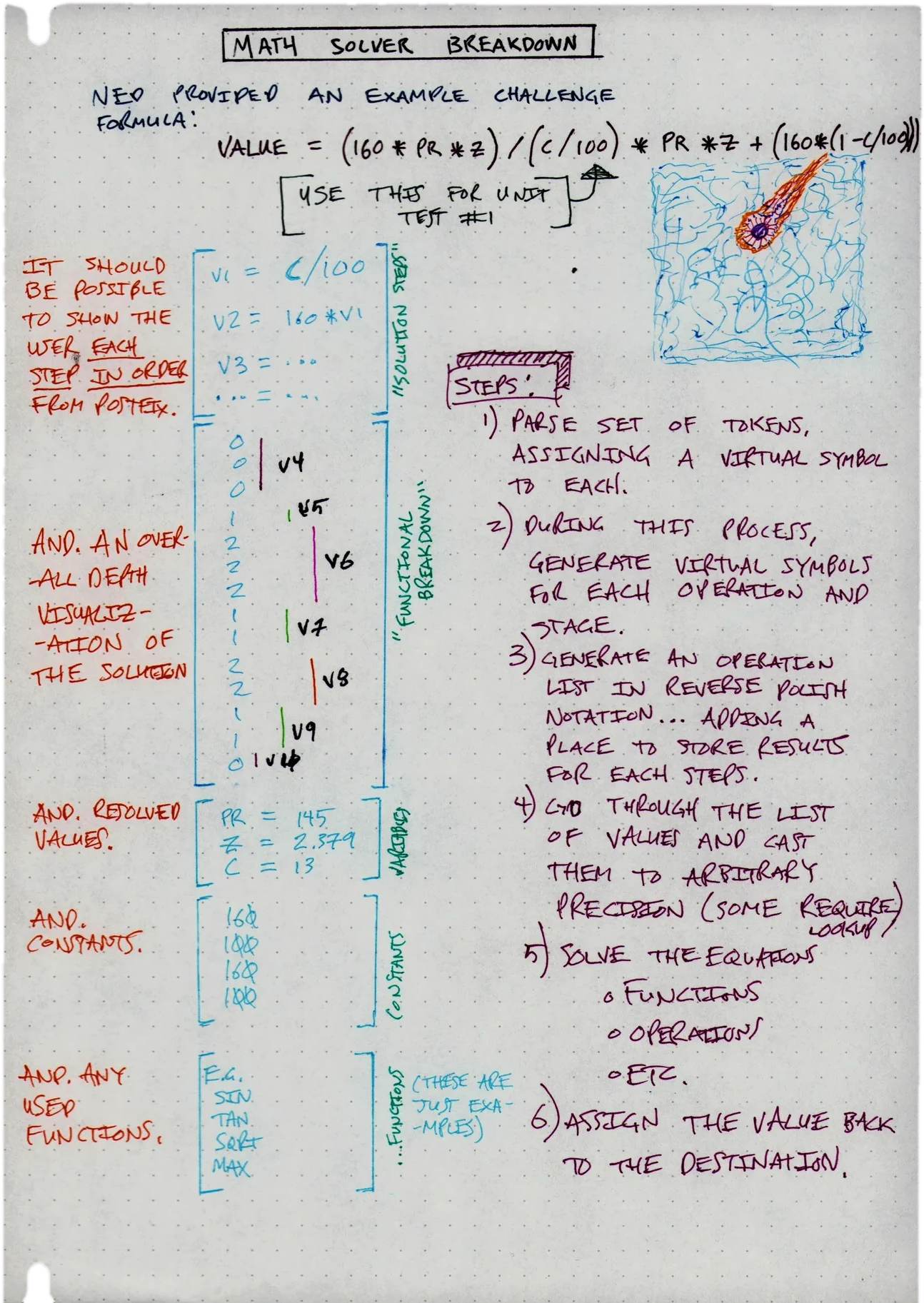
I WISH WE HAD A WHITEBOARD. NOW YOU DO, AND IT REMEMBERS.
SO I BUILT IT
Plansheet was built for myself first. A vision tool that respects the vision, holds the as-built honestly, and does not care whether the thing is a record, a sticker run, a set of shelves, or a software release. And AI sits at this table as a real instrument. Something you draft with rather than a trick bolted on the side of an existing process.
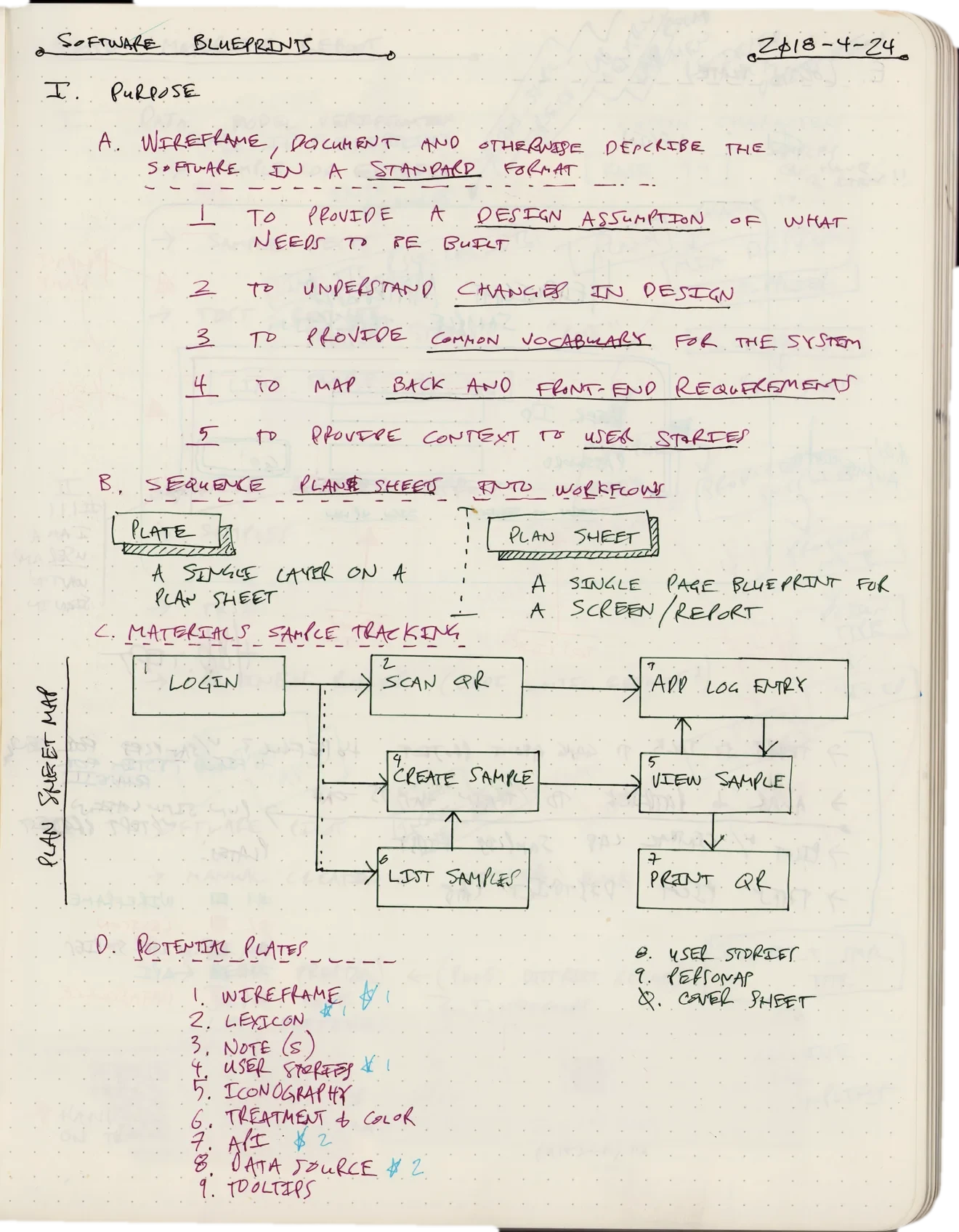
If you have ever wished the thinking and the making could happen in the same place, pull up a chair.
DRAFT SOMETHING THIS WEEK
Pick the thing you keep meaning to make. Give it a sheet before you give it a Saturday.
START DRAFTING